

Develop multi-year e-Health strategy
We advise governments, institutions and companies in the UK, Australia, Sweden, Denmark, US, Brazil and others, on e-health strategy. Topics have included the following:
A recognised expert on e-health standards, Thomas Beale has worked on development of e-health standards, specifications within CEN TC 215, HL7, OMG HDTF, and the openEHR Foundation since 2000.

Procurement & tendering
One of the greatest weaknesses in procuring organisations is the production of tenders that fail to include testable requirements for semantics, interoperability (B2B and C2B), sustainable development and TCO. For organisations interested in leveraging health data properly and avoiding contractual lock-in, a modest amount of expert help on a tender can change the following 10 years for users.

e-Health Standards Development
Expertise can be provided on undertaking new specifications development, including on:
Standards Governance and Publishing
We provide expertise on how to manage and publish technical specifications, such as for standards, a solution or product. Our governance approach includes a formal issue handling process, the use of Jira issue trackers, a release lifecycle and a fully defined change process. Our publishing approach is based on the toolchain developed for openEHR Foundation, using Asciidoctor, Antora and PlantUML.
A specification ecosystem enables the creation of specifications from numerous input sources, including text, images, UML models, syntax specifications (e.g. Antlr) and so on. An example is the openEHR Task Planning specification. An overall ecosystem may include dozens or hundreds of specification artefacts, which have to be managed in a system of components in order for long-term governance to be possible. We provide advice based on long-term experience for building such ecosystems.
Fully machine-generated sites are possible, for example openEHR.

openEHR Implementation
Thomas Beale is the original technical architect of the openEHR specifications, having worked since 2000 alongside numerous clinical and other colleagues in their development. These specifications are now managed by the openEHR Specifications Editorial Committee (SEC), and used in dozens of countries. They include the Reference Model, the Archetype Formalism (ISO 13606-2), and the Basic Meta-Model (BMM) formalism used by openEHR vendors.

Semantic Architecture
The 'Semantic architecture' of a component or system is the key to its ability to represent what goes on in the real world. We design large-scale model / software architectures for solutions in healthcare and other domains, using:
Clinical Process Support
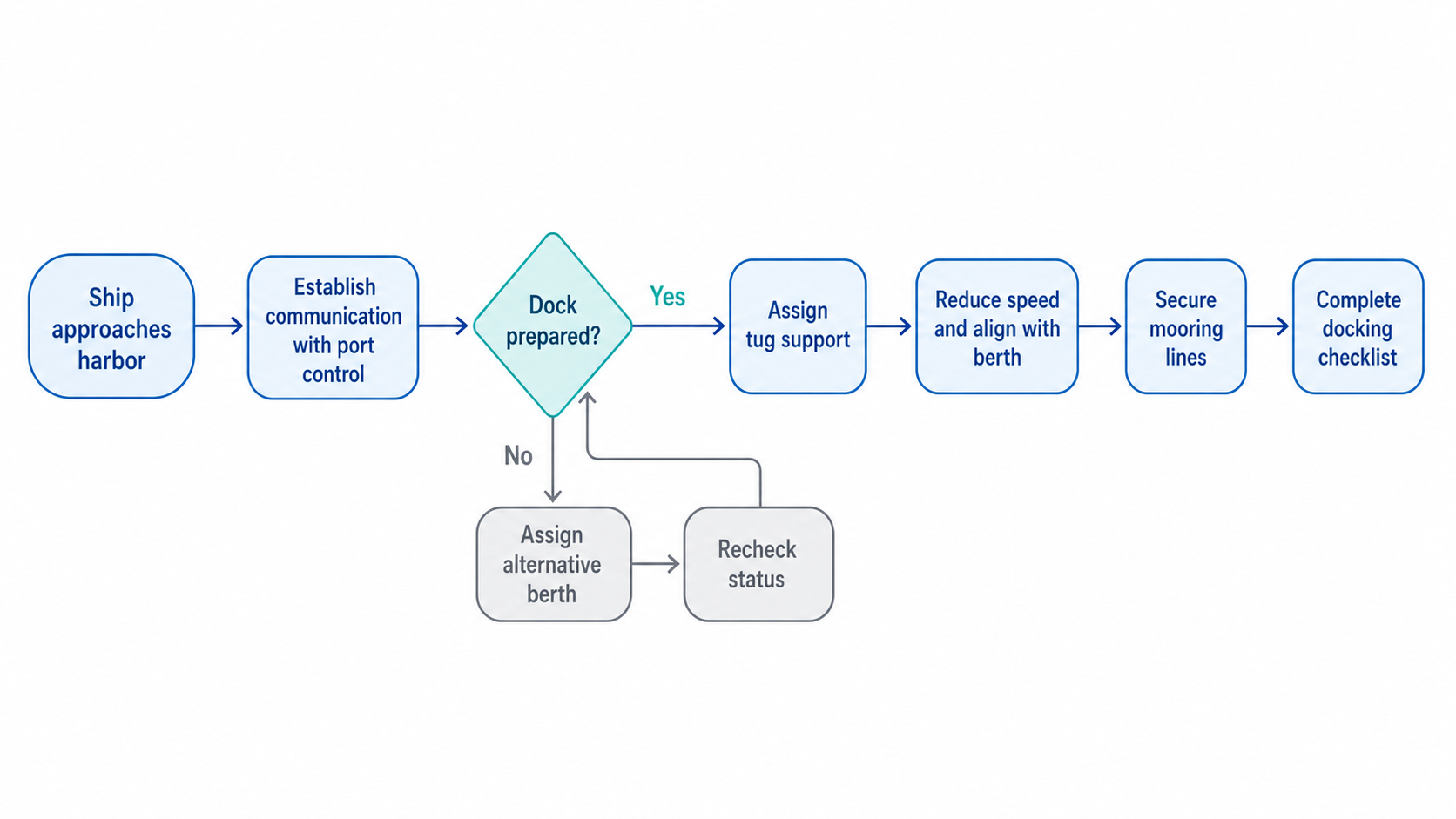
Thomas Beale has worked on formalising clinical processes and pathways for a number of years, producing the Task Planning specification for openEHR.
Using Biomedical Ontologies
The use of formal ontologies such as BFO (Basic Formal Ontology), BioTopLite, RO (Relations Ontology), IAO (Information Artefact Ontology) and others is becoming essential in bio-informatics and health informatics, to enable reliable machine inferencing on data. Using ontologies requires: